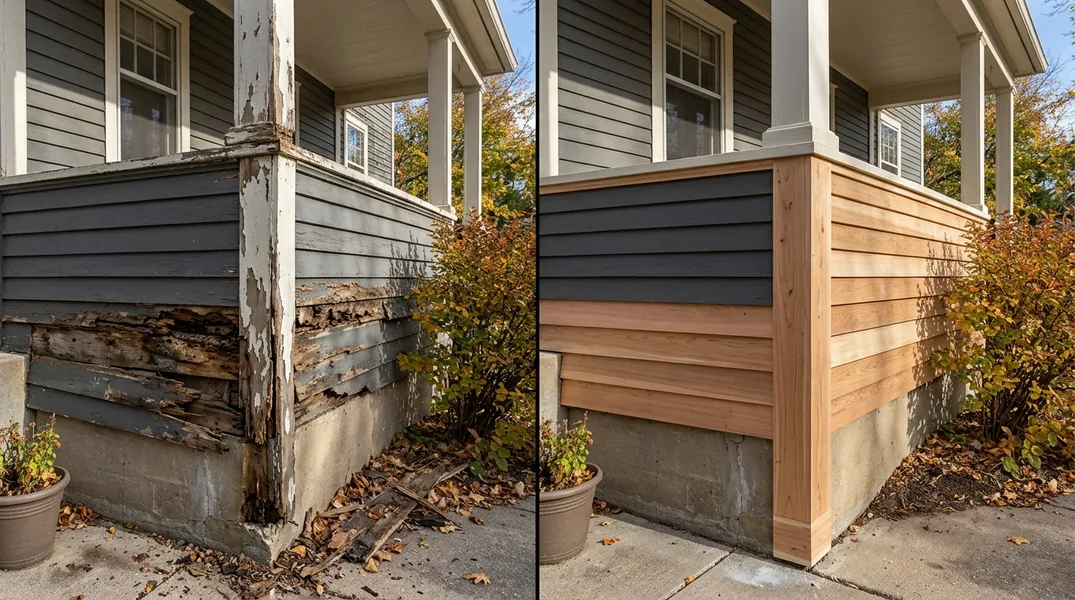
Why Madison Homes Are Vulnerable to Wood Rot and Carpenter Ant Damage
Madison homeowners face a perfect storm of conditions that make wood rot and carpenter ant infestations more common than in many other parts of the country. The combination of Wisconsin's freeze-thaw cycles, high humidity levels, and the prevalence of older homes creates an environment where wood-destroying pests and fungi thrive. If you own a home in or around Madison, understanding these risk factors is the first step toward protecting your investment.
The region's weather patterns are particularly problematic for wood preservation. Spring snowmelt, summer humidity, and autumn moisture create prolonged periods of dampness that wood-boring insects and decay fungi absolutely love. Many homes in Madison were built 50 to 100 years ago with construction methods that didn't account for modern moisture management. Older foundations lack proper vapor barriers, basements develop seepage issues, and crawl spaces trap moisture year-round. These conditions set the stage for both wood rot and carpenter ant colonies to establish themselves deep within your home's structural framework.
Understanding Wood Rot: The Silent Structural Threat
Wood rot comes in two primary forms: dry rot and wet rot. Both are caused by fungi that consume the cellulose in wood, gradually weakening it from the inside out. Wet rot, which is more common in Madison, occurs in wood with high moisture content (above 20 percent). Dry rot, despite its name, also requires moisture to develop, though it can spread through wood that appears dry to the touch. The key difference is that dry rot spreads more aggressively and can travel through masonry and non-wooden materials, making it potentially more destructive if left untreated.
Wood Rot & Dry Rot Repair becomes necessary when fungal decay has compromised the structural integrity of critical components like floor joists, rim boards, sill plates, or roof framing. The problem often starts in areas homeowners rarely inspect: crawl spaces, basement rim joists, and the spaces between walls and foundations. By the time visible signs appear on interior surfaces, the decay may have already spread significantly. This is why regular inspections of your home's foundation, basement, and crawl space are so important for early detection.
Signs of Carpenter Ants in Your House and What They Mean
Signs of carpenter ants in house include visible ants (typically large, black ants about half an inch long), small piles of fine sawdust near wood surfaces, and hollow-sounding wood when tapped. You may also notice small, clean exit holes in wood or drywall, usually about the size of a pencil tip. Unlike termites, carpenter ants don't eat wood; they tunnel through it to create galleries for nesting. This means the damage they cause is often more localized but can still be severe if colonies go undetected for months or years.
Carpenter ant activity is often seasonal in Wisconsin. They become most active in spring and early summer when they're establishing new satellite colonies and foraging for food. If you notice ants inside your home during these months, especially near windows, doors, or areas with moisture problems, it's time to take action. The challenge is that carpenter ants can nest both inside and outside your home, and treating only one location won't solve the problem. Professional inspection and targeted treatment are essential for complete elimination. If you suspect carpenter ant activity, contact Madison Carpentry at (608) 471-7359 for a thorough evaluation of your home.
How Moisture Problems Lead to Both Wood Rot and Carpenter Ant Infestations
Moisture is the common denominator in nearly all wood damage cases. High humidity in crawl spaces, roof leaks, plumbing leaks, poor grading around the foundation, and inadequate ventilation all create the damp conditions that both wood rot fungi and carpenter ants require. Carpenter ants are particularly attracted to wood that's already been softened by rot or moisture damage, as it's easier to tunnel through. In many cases, homeowners discover they have both problems simultaneously: the wood has begun to decay, and carpenter ants have moved in to exploit the damaged material.
The connection between moisture and wood-destroying pests means that effective repair goes beyond simply removing damaged wood. A comprehensive solution addresses the underlying moisture problem. This might involve improving drainage around the foundation, repairing roof leaks, installing or improving crawl space ventilation, or addressing plumbing issues. Without fixing the moisture source, new wood rot or carpenter ant damage will likely develop in the repaired area within a few years. This is why professionals who handle Wood Rot & Dry Rot Repair also investigate and recommend moisture control measures as part of their repair plan.
Wood Rot & Dry Rot Repair Cost in Madison: What to Budget
The cost of wood rot repair varies dramatically depending on the extent of the damage, the location of the affected wood, and the complexity of the repair. A small area of rot in an easily accessible location might cost $500 to $1,500 to repair. However, extensive damage affecting floor joists, rim boards, or structural beams can easily run $3,000 to $10,000 or more. If the damage has compromised load-bearing elements, Beam Replacement & Load-Bearing Wall Removal may be necessary, which represents a more significant investment. Similarly, Floor Joist & Subfloor Repair projects typically range from $2,000 to $8,000 depending on the scope.
Several factors influence the final bill. The first is access: repairs in crawl spaces or tight attic areas take longer and cost more than repairs in open basements. The second is the type of wood and whether it's structural or cosmetic. Third is whether the repair requires temporary support structures or specialized equipment. Most importantly, the longer you wait to address wood rot or carpenter ant damage, the more extensive and expensive the repairs become. Early detection can save thousands of dollars. To understand the specific cost for your situation, request a free estimate from Madison Carpentry. Our team will assess the damage, explain your options, and provide a transparent quote before any work begins.
What to Do If You Suspect Wood Rot or Carpenter Ant Damage
If you've noticed any of the warning signs discussed in this article, don't delay. Wood rot and carpenter ant damage worsen over time, and the structural integrity of your home depends on sound wood framing. Start by conducting a thorough visual inspection of your basement, crawl space, attic, and exterior. Look for soft spots in wood, visible fungal growth, sawdust piles, moisture stains, or signs of water intrusion. Pay special attention to areas where wood contacts soil or masonry, as these are common entry points for moisture and pests.
The next step is to call a professional. Madison Carpentry specializes in identifying and repairing both wood rot and carpenter ant damage throughout the Madison area. Our team has the expertise to assess the full scope of damage, identify moisture sources, and recommend a comprehensive repair plan. We handle everything from minor repairs to major structural work, and we're committed to protecting your home for the long term. Reach out to us at (608) 471-7359 or visit our website to request a free estimate today. Early action now can prevent costly structural failures down the road.
Looking for a professional carpentry contractor in Madison? Madison Carpentry responds fast for all your carpentry needs.
Get a Free QuoteOur services: Wood Rot & Dry Rot Repair · Termite Damage Repair · Floor Joist & Subfloor Repair