How Wisconsin Winter Damages Your Porch and Deck
Winter in Madison is beautiful, but it's brutal on outdoor wood structures. Every year, homeowners across the region watch their decks and porches deteriorate as snow accumulates, ice forms, and temperatures swing wildly between freezing and thawing. This seasonal cycle is one of the most destructive forces affecting residential porches and decks in the Midwest, and understanding how it works is the first step to protecting your home.
When snow and ice sit on your porch or deck throughout the winter, they add significant weight and moisture to the wood structure. That moisture seeps into the wood fibers, expanding and contracting as temperatures fluctuate above and below freezing. Over weeks and months, this freeze-thaw cycle creates microscopic cracks and splits in the wood. These tiny openings become entry points for water, which penetrates deeper into the wood each time the cycle repeats. By spring, what looked like minor surface damage may have developed into serious structural concerns that compromise the safety and integrity of your porch.
Snow Load and Structural Stress on Your Deck
A typical winter snowfall in Madison can deposit 6 to 12 inches of snow on your deck or porch. When that snow sits and compacts over weeks, it becomes remarkably heavy. A single cubic foot of wet, compacted snow can weigh 15 to 20 pounds or more. If your deck is 12 feet by 16 feet and covered with a foot of snow, you're looking at roughly 2,000 to 3,000 pounds of additional weight pressing down on the structure. Most residential decks are designed with safety factors, but prolonged snow load tests the limits of support posts, beams, and fasteners.
The stress is particularly severe on older decks or those with existing Wood Rot & Dry Rot Repair issues. When wood is already weakened by rot or moisture damage, it loses load-bearing capacity. A post that appears solid on the surface may be soft and compromised inside. Under the weight of snow, such a post can begin to fail, settling unevenly and causing the deck to shift or sag. This is why spring inspections often reveal that a porch or deck has moved or settled during winter. In severe cases, the structural failure can create a safety hazard for anyone using the deck.
Freeze-Thaw Cycles: The Hidden Damage Mechanism
The freeze-thaw cycle is deceptively simple but remarkably destructive. Water expands when it freezes, exerting tremendous pressure on whatever contains it. In wood, this expansion and contraction happens over and over throughout winter. Each cycle stresses the wood fibers and the connections between them. Over 30, 40, or 50 freeze-thaw cycles in a single winter, the cumulative damage becomes substantial.
The damage isn't just mechanical splitting. Each time water freezes in the wood, it creates small ice lenses that push the wood fibers apart. When the ice melts, those fibers don't return to their original position. The wood becomes permanently weakened and more porous. This increased porosity allows even more water penetration in the next cycle, accelerating the damage. Additionally, the repeated stress on fasteners like bolts, nails, and lag screws causes them to loosen over time. A deck that was rock-solid in autumn may wobble or shift by late winter due to fastener movement alone.
Identifying Winter Porch and Deck Damage After the Thaw
Once spring arrives and snow melts from your porch or deck, it's time to conduct a thorough inspection. Look for soft spots or areas where the wood feels spongy when you walk on it or press with your finger. Check the base of posts where they meet the deck or ground, as these areas trap moisture and are most vulnerable to rot. Examine the underside of the deck, where water drains and moisture accumulates. Look for visible cracks, splits, or warping in deck boards and posts. If you notice uneven settling, sagging, or visible gaps where boards no longer sit flush, these are signs of structural movement.
Pay special attention to any areas where wood meets metal fasteners or flashing. These joints are prone to corrosion and water infiltration. If you see discoloration, rust stains, or wood that appears darker or softer around nails or bolts, moisture has likely penetrated the wood. Don't ignore these signs. Early detection of Wood Rot & Dry Rot Repair issues can save you thousands of dollars in structural repairs later. If you're unsure what you're looking at, it's worth reaching out to a professional. Madison Carpentry offers free inspections so you know exactly what condition your porch is in.
Rotted Porch Post Repair and When to Call a Professional
Rotted porch posts are one of the most common winter damage issues we address in Madison. A post that looks solid on the surface may be hollow or severely compromised inside. This is especially true for posts that have been exposed to snow, ice, and moisture for multiple winters without proper maintenance or protection. If a post is rotted, it cannot safely support the weight of your porch roof or deck. Attempting to repair it yourself with wood filler or paint is not a solution. The structural integrity is compromised, and the damage will continue to spread.
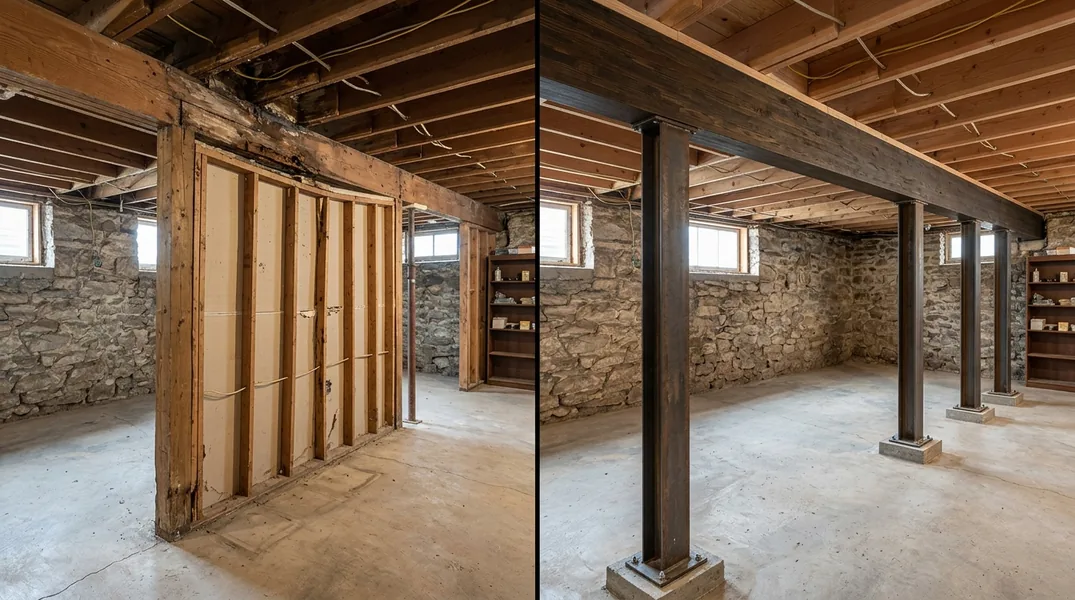
Professional rotted porch post repair involves removing the damaged post, installing temporary support to hold the structure in place, and installing a new pressure-treated or rot-resistant post. In some cases, the Beam Replacement & Load-Bearing Wall Removal work may be necessary if the damage extends to supporting beams or joists. This is not a DIY project. The work requires proper temporary bracing, precise measurements, and building code compliance. If you suspect rot in a support post, contact Madison Carpentry at (608) 471-7359 to schedule a free estimate. Catching the problem early prevents catastrophic failure and keeps your family safe.
Prevention and Maintenance to Protect Your Porch Through Winter
The best defense against freeze-thaw damage is prevention and regular maintenance. Start by ensuring your deck or porch has proper drainage. Water should flow away from the structure, not pool on the surface or underneath. If your deck doesn't have a slope or if water sits in low spots, consider adding a drain or improving the grading around the structure. Clear gutters and downspouts so water doesn't flow onto the deck. Install flashing where the deck attaches to the house to prevent water from running into the rim board and band board.
Before winter arrives, inspect and seal any cracks or gaps in the wood. Use a quality exterior wood stain or sealant to create a moisture barrier. This won't eliminate freeze-thaw damage entirely, but it will significantly reduce water penetration. Remove snow from your porch and deck regularly during winter, especially heavy, wet snow. The effort to shovel or brush off snow in December and January pays dividends in March and April. If you notice any soft spots, rot, or structural issues, address them immediately rather than waiting until spring. Small repairs now prevent major damage later. If you're uncertain about the condition of your deck or porch, Madison Carpentry can help with a professional assessment and pricing for any necessary repairs.
Looking for a professional carpentry contractor in Madison? Madison Carpentry responds fast for all your carpentry needs.
Get a Free QuoteOur services: Wood Rot & Dry Rot Repair · Termite Damage Repair · Floor Joist & Subfloor Repair