How Ice Dams Form and Damage Your Roofline
Wisconsin winters are brutal on rooflines, and ice dams are one of the most destructive forces homeowners face. An ice dam forms when heat escapes through your attic, melting snow on the roof. That water runs down and refreezes at the cold eaves, creating a ridge of ice that blocks drainage. Water backs up behind the dam, seeping under shingles and into the fascia boards, soffits, and wall framing that support your entire roofline structure.
The problem is that this water doesn't just sit there. It infiltrates wood continuously throughout the freeze-thaw cycle, which is exactly what happens during a typical Madison winter. The wood absorbs moisture, expands, and contracts repeatedly. Over weeks and months, this cycle weakens the cellular structure of the wood, creating the perfect environment for rot to take hold. By the time you notice water stains on your ceiling or soft spots in your fascia, the damage may have already penetrated deep into the structural framing behind the walls.
Fascia and Soffit Damage: The First Line of Defense
Your fascia boards and soffits are the first barrier between your home's interior and the elements. Fascia is the horizontal board that runs along the edge of your roof, while soffits are the underside panels that close off the space between the fascia and your exterior wall. Both are typically made of wood, aluminum, or vinyl, but wood is the most common material in older Madison area homes. When ice dams back water up under your roofline, these components take the brunt of the damage first.
Rotted fascia repair becomes necessary when water penetrates the wood and fungal growth begins. You might notice the fascia is soft to the touch, has paint peeling or bubbling, or shows visible discoloration or mold. Soffit repair in Wisconsin is equally critical because damaged soffits allow water and pests to enter the attic space and wall cavities. Once rot spreads to the soffit, it often extends into the rafter tails and wall framing that sit directly behind it. This is why catching fascia damage early is so important. A small water stain today can become a major structural problem within a single season if left untreated.
Wall Framing and Structural Rot from Ice Dam Damage
The real danger from ice dams goes far deeper than cosmetic damage to fascia and soffits. When water continuously seeps into the wall cavities behind these components, it saturates the wood framing that holds up your entire house. This includes the top plates of exterior walls, the rim joists, and the structural studs that bear the load of your roof and upper floors. Unlike fascia boards that can be replaced, this framing is integral to your home's structural integrity.
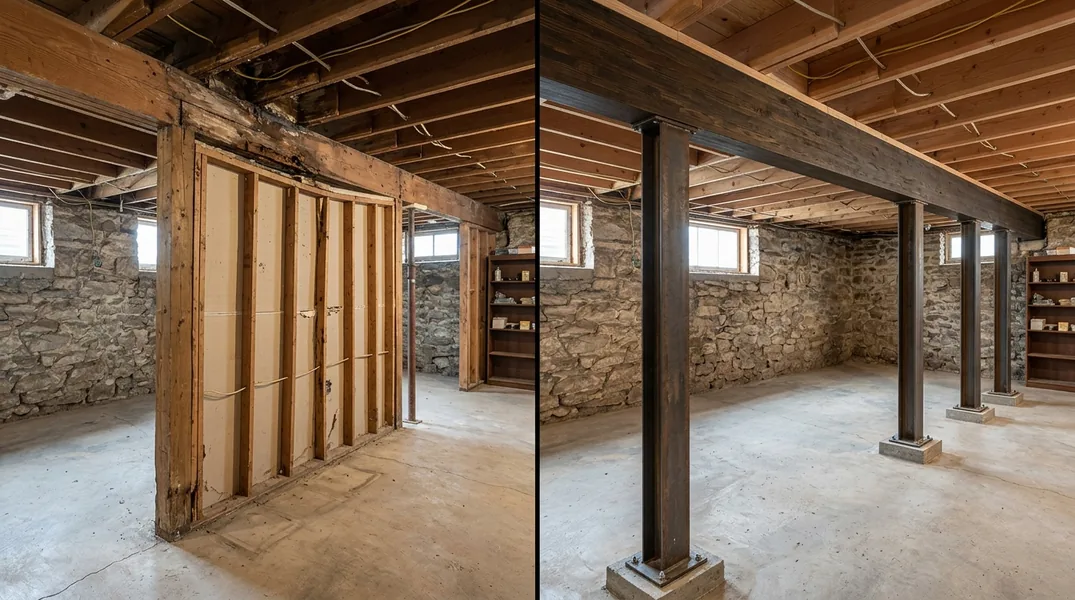
Once wall framing begins to rot, the consequences become severe and expensive. Rotted framing loses its load-bearing capacity, which can lead to sagging rooflines, cracked drywall, and even foundation settlement if the problem spreads downward. Wood Rot & Dry Rot Repair in these areas often requires professional assessment and may involve extensive work to remove compromised wood and install new framing. In some cases, if the rot reaches load-bearing walls, you may need Beam Replacement & Load-Bearing Wall Removal services to restore structural safety. This is why homeowners should never ignore signs of ice dam damage, even if it seems minor on the surface.
Warning Signs of Ice Dam Rot Near Me: What to Look For
Identifying ice dam damage early can save you thousands of dollars in repairs. After a Wisconsin winter with heavy snow and ice, inspect your roofline carefully from the ground and, if safe, from a ladder. Look for water stains on your ceiling or upper walls, particularly near the corners of rooms or where exterior walls meet the roof. Soft or spongy spots in fascia boards, peeling paint, and visible mold or mildew are all red flags. If you can access your attic safely, check for water stains on the underside of the roof deck and any musty odors, which indicate active moisture and potential rot.
Don't ignore small signs like a few shingles curling at the eaves or minor discoloration on your soffit. These often indicate that water has already begun its work behind the scenes. If you notice any of these warning signs in your home, it's time to call a professional. Madison Carpentry can assess the damage and determine whether you need fascia repair, soffit replacement, or more extensive Wood Rot & Dry Rot Repair. The sooner you address the problem, the less structural damage will spread.
Prevention: Stop Ice Dams Before They Damage Your Home
While not every ice dam can be prevented, proper attic insulation and ventilation go a long way toward reducing their severity. Heat loss through a poorly insulated attic is the primary cause of ice dams. If your attic stays cold and your roof stays snowy (rather than melting and refreezing), ice dams are far less likely to form. Ensure your attic has adequate insulation in line with current building codes and that soffit vents are clear and unblocked to allow air circulation. Some homeowners also install heat cables along the eaves as a temporary measure, though this is more of a band-aid than a true solution.
Gutter maintenance is another key preventive step. Keep gutters and downspouts clear of leaves and debris so water can drain freely once it melts. If your gutters are damaged or pulling away from the fascia, they can't do their job and water will pool and refreeze, making ice dams worse. If you're uncertain about your home's vulnerability to ice dams or need advice on prevention, Madison Carpentry can help assess your roofline and recommend improvements. Contact us at (608) 471-7359 or request a free estimate to discuss your specific situation.
Ice Dam Damage Repair Cost in Madison: What to Budget
The cost of repairing ice dam damage varies widely depending on the extent of the rot and how deep it has penetrated. Minor fascia repairs might cost a few hundred dollars, while full soffit replacement or structural framing repairs can run into the thousands. Factors that affect pricing include the linear footage of fascia and soffit involved, whether the rot has reached the structural framing, the materials chosen for replacement, and whether additional work like roof repairs or interior drywall restoration is needed.
The best way to understand the cost of your specific situation is to have a professional inspection. Madison Carpentry provides detailed assessments and transparent pricing so you know exactly what you're paying for. We serve the Madison area and surrounding communities, and we're happy to provide a free estimate for any ice dam damage repair work. Call (608) 471-7359 today to schedule an inspection and get a clear picture of what your home needs.
Looking for a professional carpentry contractor in Madison? Madison Carpentry responds fast for all your carpentry needs.
Get a Free QuoteOur services: Wood Rot & Dry Rot Repair · Termite Damage Repair · Floor Joist & Subfloor Repair